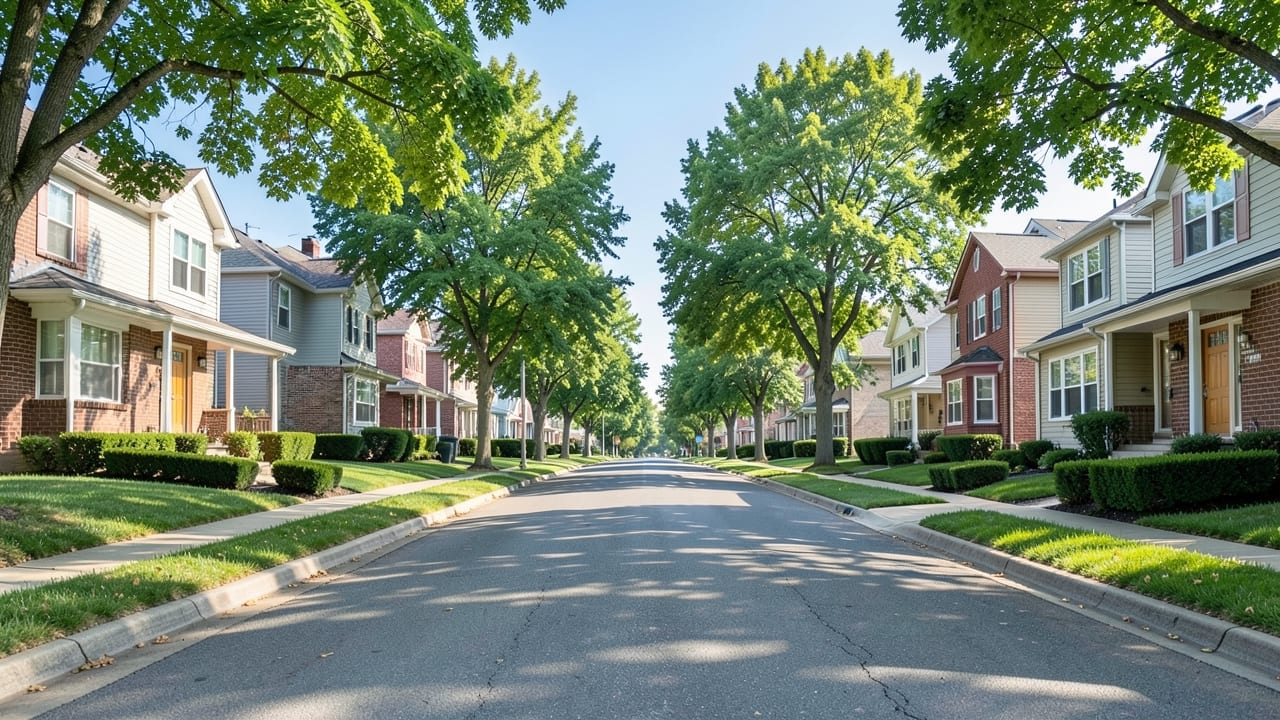
Mold Testing & Air Quality Testing in Roebling, NJ
Mold Testing & Air Quality Testing for Roebling, NJ properties — Roebling is a nearby community roughly 12.8 miles northwest of Mount Holly..
Mold testing and air quality testing in Roebling, NJ are performed with the same efficiency as in Mount Holly, as both areas follow the same service schedule. The work involves thorough inspection and sampling to identify mold presence and assess indoor air contaminants. Located roughly 12.8 miles northwest of Mount Holly, Roebling properties receive timely attention, with crews in the area typically handling assessments and testing without additional delays.
Why mold testing & air quality testing matters in Roebling
In Roebling's dense suburban setting, mold testing and air quality testing address hidden risks from tightly packed homes and shared ventilation systems common in the area. The work involves detecting moisture buildup and airborne contaminants that spread quickly between properties, especially in older structures near Mount Holly. Crews in the area typically check for mold in basements, attics, and ductwork, where humidity and poor airflow create ideal conditions for growth, ensuring the air remains safe in these closely connected neighborhoods.
This service is also available via Mold Testing & Air Quality Testing and Roebling, NJ.
What mold testing & air quality testing actually involves, step by step
Visual and moisture inspection. A trained inspector walks the property looking for visible growth, staining, and musty odor, then uses a moisture meter and, where available, thermal imaging to find damp wall cavities, subfloors, and roof lines that visible signs alone would miss. Every affected room is mapped before any sample is taken.
Air and surface sampling. Where the source isn't obvious from the walkthrough, spore-trap air samples and surface swabs are collected from suspect areas plus one unaffected room used as a control, so lab results can be compared against a normal baseline instead of judged in isolation.
Independent lab analysis. Samples go to a third-party accredited laboratory rather than being read in-house, so the species count and spore concentration reported back are not influenced by whoever collected them. Turnaround is typically two to five business days depending on the lab.
Moisture source diagnosis. The inspector traces the moisture back to its origin — roof flashing, a plumbing leak, poor grading, or condensation — because a spore count without a moisture source is only half the picture and leaves the property owner unable to prevent the problem from returning.
Written scope report. The findings become a written report describing which materials are affected, the likely moisture source, and the square footage involved — the document a remediation contractor uses to price the job and, in states that regulate the sequence, the document the law requires to exist before remediation starts.
What goes wrong when mold testing & air quality testing is done badly
Cross-contamination while sampling. Using the same swab or tool across multiple rooms, or walking through an affected area and then an unaffected one without changing protective gear, can carry spores into the control room being used as a clean-air baseline — which throws off the comparison the whole sampling plan depends on.
Testing without a moisture diagnosis. A sample count alone, without identifying where the moisture causing the growth is coming from, tells a property owner how much mold is present but nothing about whether it's about to come back — the two pieces of information answer different questions and neither substitutes for the other.
What mold testing & air quality testing costs around Roebling
Roebling pricing for mold testing and clearance checks typically runs $320 to $860 for the job. That range reflects professional testing — air quality sampling, lab analysis, or a post-remediation clearance check confirming the area is clear. These numbers summarize public pricing research for this type of job rather than a quote from a specific company — actual pricing depends on the scope of the job and who is hired to do it.
A specific job can land anywhere in this range depending on its scope and who is hired, so comparing a couple of local quotes remains the most reliable way to narrow it down. Source: HomeAdvisor / Angi, 2025-2026.
How to choose who does the work in Roebling
Does the estimate include inspection, testing, remediation, and clearance testing, or just part of it? Containment and clearance testing are often priced separately; a low number that excludes them isn't comparable to a full quote. Is a written scope of work provided before any work starts? A scope in writing protects against price creep once demolition begins. Does the estimate specify the square footage or area being treated? Vague area estimates make it hard to compare bids apples-to-apples. Will a third-party lab test verify the mold species and confirm clearance after the work? Some remediation methods skip independent testing, leaving no confirmation the job actually worked. What happens if hidden mold is found once walls are opened? Change-order pricing after demolition begins is a common source of disputes. Has the state's contractor licensing requirement for mold work been checked directly with the state board? Mold remediation licensing rules vary by state, and some states have none, so it is worth confirming directly rather than taking a company's word for it. Does the quote separate remediation, removing existing growth, from prevention, fixing the moisture source? Remediation without fixing the moisture source often means the growth returns.
A verbal price with no written, itemized scope. Without an itemized scope, there is no way to compare what is actually included between bids, or point back to what was promised if something is left out. A bid dramatically lower than every other estimate for the same square footage. Work done without proper containment or clearance testing can look cheaper up front and cost more later if the contamination is not fully resolved. Full payment requested before any work has started. Paying in full upfront removes leverage if the job is not completed as scoped. No mention of post-remediation clearance testing anywhere in the quote. Without a test confirming the space is clear afterward, there is no independent way to know the remediation actually worked. Pressure to sign the contract during the same visit as the inspection. A legitimate scope of work takes time to write accurately; rushing the signature skips the chance to compare bids.
Air Samples vs. Surface Samples
An air sample measures spore concentration in the breathing air of a room, compared against an outdoor baseline sample — this is what tells you whether a problem is affecting air quality throughout the home, not just at the visible spot. A surface (swab or tape-lift) sample identifies the specific species growing at a particular location.
Call for a quote on mold testing & air quality testing for a Roebling property — pricing works the same as everywhere else in the service area.
See Mold Testing & Air Quality Testing in Juliustown, NJ for more — or check out everything Mount Holly homeowners can book with us across the area for our complete service area.
Serving Roebling, NJ
Ready to get started?
Talk to a local mold remediation pro serving Roebling, NJ — get a written quote.
Other Services We Offer in Roebling, NJ
Balcony Mold Cleanup in Roebling, NJ
Balcony Mold Cleanup for Roebling, NJ properties — Roebling is a nearby community roughly 12.8 miles northwest of Mount Holly..
Learn MoreSunroom Mold Remediation in Roebling, NJ
Sunroom Mold Remediation for Roebling, NJ properties — Roebling is a nearby community roughly 12.8 miles northwest of Mount Holly..
Learn More
Hallway Mold Remediation in Roebling, NJ
Hallway Mold Remediation for Roebling, NJ properties — Roebling is a nearby community roughly 12.8 miles northwest of Mount Holly..
Learn More
HOA Mold Remediation in Roebling, NJ
HOA Mold Remediation for Roebling, NJ properties — Roebling is a nearby community roughly 12.8 miles northwest of Mount Holly..
Learn MoreRestaurant Mold Remediation in Roebling, NJ
Restaurant Mold Remediation for Roebling, NJ properties — Roebling is a nearby community roughly 12.8 miles northwest of Mount Holly..
Learn MoreRetail Store Mold Remediation in Roebling, NJ
Retail Store Mold Remediation for Roebling, NJ properties — Roebling is a nearby community roughly 12.8 miles northwest of Mount Holly..
Learn MoreThe same service is also covered in Juliustown, NJ , on the same terms.
Common Questions About Mold Remediation in Roebling, NJ
Everything you need to know about mold remediation services in Roebling, NJ
How much does Mold Testing & Air Quality Testing typically cost in Roebling, NJ?
Why does Roebling, NJ's humidity make mold a bigger risk than in drier regions?
Does homeowners insurance typically cover mold remediation?
Is black mold actually more dangerous than other mold types?
How long does a typical mold remediation job take?
Need Mold Remediation in Roebling, NJ?
Connect with local providers in Roebling, NJ for a detailed quote.
⏰ We answer your call • Serving all of Roebling, NJ and surrounding areas