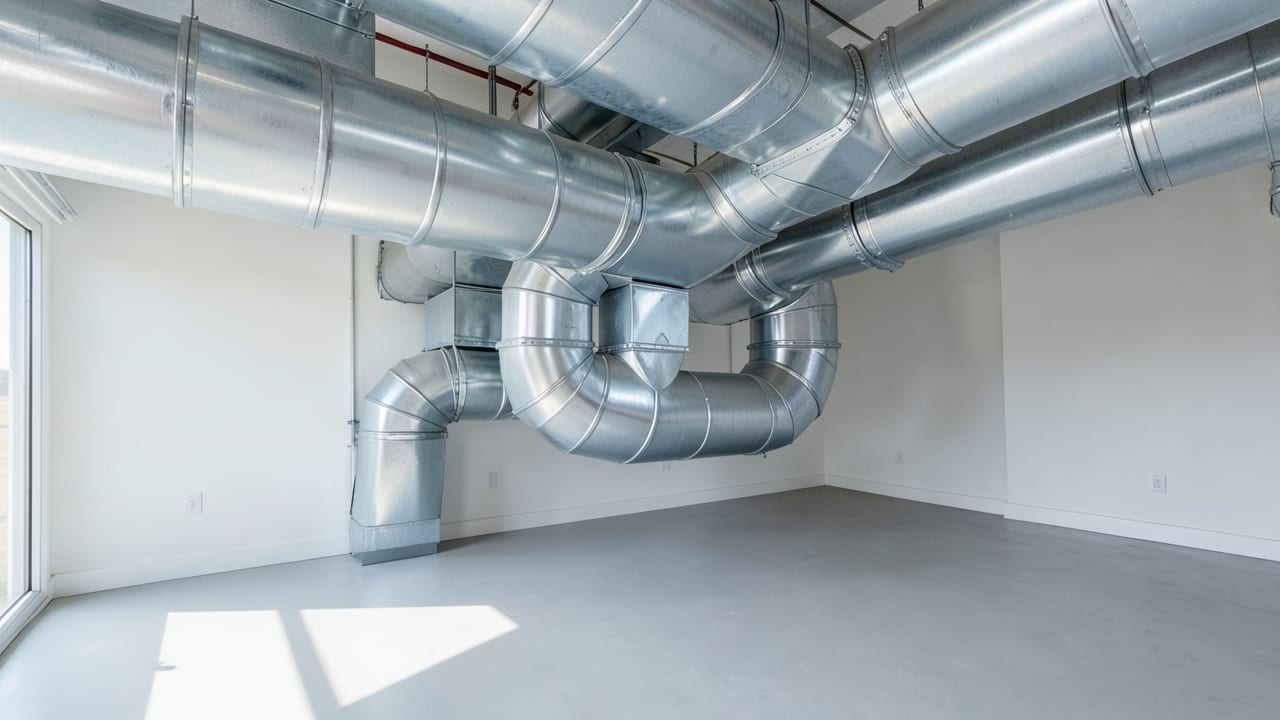
HVAC Mold Remediation
HVAC and ductwork mold remediation in Mount Holly, NJ — mold growing inside the air handler or duct system, spreading through every vent.
In Mount Holly, NJ, HVAC mold remediation targets mold growth inside ductwork, coils, or air handlers—unlike surface mold, this spreads spores throughout your home every time the system runs. Professional remediation stops circulation, cleans affected components, and fixes moisture sources to prevent recurrence.
Why HVAC Mold Is Different in Mount Holly
Mold inside your HVAC system isn’t just unsightly—it’s a hidden threat. Unlike wall or crawl space mold, growth in ductwork or the air handler means spores are actively distributed to every room your vents reach. In Mount Holly’s humid summers and damp basements, this problem often starts with a cooling coil that stays wet or condensation in poorly insulated ducts.
We also handle Salt Air Mold Remediation and Pest Infestation Mold Remediation for Mount Holly properties.
A musty smell when the system turns on, or air samples from a mold inspection pointing to the HVAC as the source, are clear signs. Without proper remediation, spores recirculate, and growth returns quickly if the underlying moisture issue isn’t addressed.
| Sign of HVAC Mold | What It Means |
|---|---|
| Musty odor when HVAC runs | Spores are being circulated through the system |
| Visible mold on vent covers | Likely just the tip—growth may extend into ducts |
| Condensation in ductwork | Moisture source fueling mold inside the system |
| Cooling coil stays damp | Poor drainage or high humidity promotes growth |
What Affects Remediation Cost and Time
Pricing for HVAC mold remediation in Mount Holly depends on system size, severity, and whether ductwork needs replacement. A standard single-family home typically ranges from $1,500 to $4,000, with larger or more complex systems costing more. Containment, cleaning, and moisture fixes are included to prevent regrowth.
Preventing Recurrence in Mount Holly’s Climate
Older Mount Holly homes with poorly ventilated basements or ductwork in humid spaces are especially prone to HVAC mold. After remediation, ensuring proper coil drainage, sealing ducts, and adding dehumidifiers or UV lights can keep mold from returning. Regular HVAC maintenance is key to catching early signs.
Post-Remediation Prevention Steps
- Inspect and clean condensate drain lines annually
- Seal ductwork in unconditioned spaces (e.g., basements, attics)
- Install a whole-house dehumidifier if humidity exceeds 50%
- Schedule annual HVAC maintenance to check for moisture issues
How HVAC Mold Remediation Works
Professional remediation stops spores from spreading while addressing the root cause.
- 1Containment Setup
Seal supply and return vents with plastic sheeting and negative air pressure to prevent spores from spreading during cleaning.
- 2System Inspection and Testing
Use borescopes or air sampling to identify the extent of mold growth and moisture sources inside the HVAC system.
- 3Cleaning and Treatment
Clean or replace affected ductwork, treat the cooling coil and air handler interior with EPA-approved Mold remediation solutions, and sanitize all surfaces.
- 4Moisture Source Repair
Fix underlying issues like clogged drain lines, improper insulation, or poor ventilation to prevent regrowth.
- 5Final Testing and Verification
Conduct post-remediation air and surface testing to confirm mold levels are safe and the system is clean.
Frequently Asked Questions
How do I know if mold is in my HVAC system and not just on a wall?
If you smell mold only when the system runs, or if a mold inspection’s air samples show elevated spores in multiple rooms, the HVAC is likely the source. Wall mold is usually visible, while HVAC mold often isn’t.
Can I clean HVAC mold myself?
No. DIY cleaning can release spores into your home and won’t address moisture sources or hidden growth in ducts or coils. Professional containment and treatment are required for safety and effectiveness.
Will my insurance cover HVAC mold remediation?
Coverage varies. Most standard policies exclude mold, but if the growth stems from a covered peril (e.g., a burst pipe), partial coverage may apply. Check your policy and consult your provider.
How long does it take for mold to return after remediation?
With proper moisture fixes, mold shouldn’t return. However, if underlying issues like poor drainage or high humidity aren’t resolved, growth can recur within months.
See Willingboro, NJ for more, or browse what's included in our Mount Holly service by service type for our complete lineup.
Ready to get started?
Talk to a local mold remediation pro in Mount Holly — get a written quote.
Other Mold Remediation Services in Mount Holly
Salt Air Mold Remediation in Mount Holly, NJ
Professional mold assessment, containment, removal, and prevention in affected areas of the home.
Learn More
Pest Infestation Mold Remediation in Mount Holly, NJ
Professional mold removal and remediation for pest-related infestations in homes.
Learn More
Spring Mold Inspection in Mount Holly, NJ
Professional assessment and identification of mold growth in homes.
Learn More
Move-In Mold Assessment in Mount Holly, NJ
Professional inspection and assessment of mold presence before moving into a property.
Learn More
Mold Inspection in Mount Holly, NJ
Mold inspection in Mount Holly, NJ — a visual and moisture-meter assessment that finds the source of growth, not just the visible spot on the wall.
Learn More
Mold Testing & Air Quality Testing in Mount Holly, NJ
Mold and indoor air quality testing in Mount Holly, NJ — lab-analyzed air and surface samples confirm what's actually growing and whether it's airborne.
Learn MoreCommon Questions About Mold Remediation in Mount Holly
Everything you need to know about mold remediation services in Mount Holly
How much does HVAC Mold Remediation typically cost in Mount Holly, NJ?
Why does Mount Holly, NJ's humidity make mold a bigger risk than in drier regions?
Can small mold problems be handled without hiring anyone?
What's the actual difference between mold removal and mold remediation?
Is a final clearance test part of a typical mold remediation job?
How does mold remediation actually prevent the problem from coming back?
Need Mold Remediation in Mount Holly?
Connect with local providers in Mount Holly for a detailed quote.
⏰ We answer your call • Serving all of Mount Holly and surrounding areas