The Complete Guide to Moisture Mapping for Mold Detection in Mount Holly
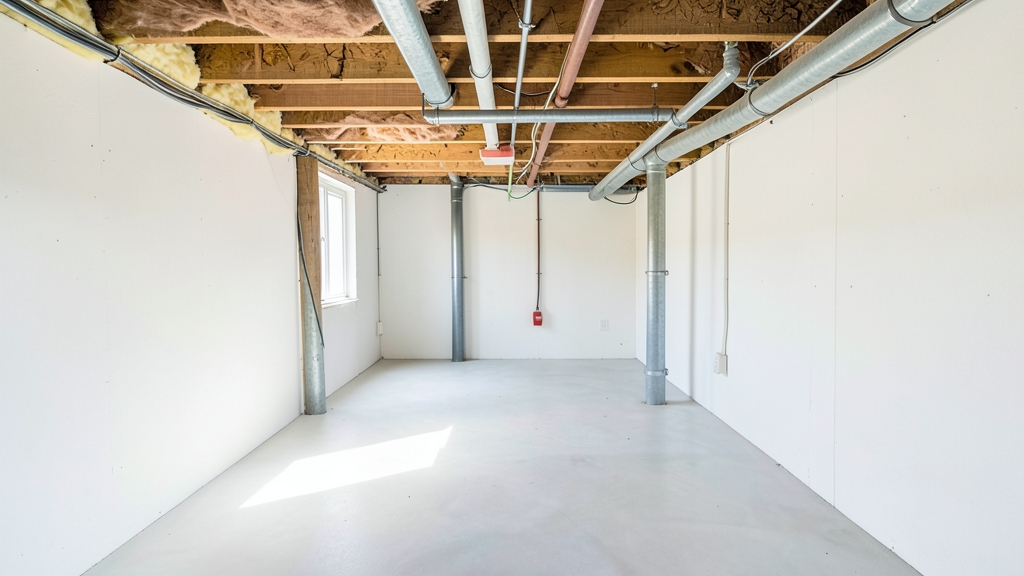
Hidden mold thrives where moisture lingers—behind walls, under floors, or in damp crawl spaces. We use moisture mapping to pinpoint these trouble spots before mold takes hold. In our region’s humid summers and wet springs, proactive detection is your best defense against costly remediation.
What Is Moisture Mapping and Why It Matters
Moisture mapping is the systematic process of identifying and documenting moisture levels in building materials and air. It reveals hidden water sources that fuel mold growth, even in areas that appear dry to the naked eye.
In Mount Holly’s older homes, poor ventilation in attics or basements often traps humidity. Without mapping, mold can spread undetected until it becomes a health hazard or structural issue.
Signs You Need Professional Moisture Mapping
Musty odors, peeling paint, or warped flooring often signal excess moisture. But mold can also grow silently—especially in crawl spaces or behind drywall after a leak.
If you’ve had water damage in Lumberton or Westampton, or notice condensation on windows, a moisture map can uncover lingering risks before they escalate.
Red Flags for Hidden Moisture
- Persistent musty smells, especially in basements or attics
- Stains or discoloration on walls or ceilings
- Peeling or bubbling paint or wallpaper
- Unexplained allergies or respiratory issues indoors
- Recent water damage or plumbing repairs
Tools We Use for Accurate Moisture Detection
Non-invasive tools like thermal imaging cameras reveal temperature differences that indicate moisture. Infrared technology spots cold, wet areas behind surfaces without demolition.
Pin-type and pinless moisture meters measure the exact moisture content in wood, drywall, or concrete. We also use hygrometers to track relative humidity and psychrometers for dew point analysis.
| Tool | Best For | Limitations |
|---|---|---|
| Thermal Imaging Camera | Identifying hidden moisture behind walls/ceilings | Cannot measure exact moisture levels |
| Pinless Moisture Meter | Scanning large areas (drywall, wood, tile) | Less precise than pin-type for deep moisture |
| Pin-Type Moisture Meter | Measuring moisture in wood or drywall | Requires small holes; not ideal for finished surfaces |
| Hygrometer | Measuring air humidity levels | Does not detect moisture in materials |
| Psychrometer | Calculating dew point and humidity ratios | Requires manual calculations |
How Climate in Mount Holly Affects Mold Risk
Our region’s humid subtropical climate means high moisture levels for much of the year. Poorly ventilated attics or crawl spaces in Eastampton or Hainesport can trap this humidity, creating ideal conditions for mold.
Seasonal temperature swings also cause condensation on cold surfaces, like ductwork or foundation walls. Without proper vapor barriers, this moisture seeps into building materials.
Basements and crawl spaces are especially vulnerable in our area due to clay soil and high water tables. Encapsulation and sump pumps are often critical.
The Moisture Mapping Process: Step by Step
We start with a visual inspection to identify obvious water damage or stains. Then, we use thermal imaging to locate potential moisture zones behind walls or under flooring.
Next, we take precise measurements with moisture meters and hygrometers. All data is logged to create a detailed moisture map of your property, highlighting high-risk areas.
Moisture Mapping vs. Traditional Mold Inspections
Standard mold inspections often rely on visual cues or surface testing. Moisture mapping goes deeper—it identifies the root cause of mold by tracking water sources before spores even appear.
While air quality testing confirms mold presence, moisture mapping prevents it. In Westampton or Lumberton homes, combining both ensures a comprehensive approach to indoor air quality.
Always pair moisture mapping with air quality testing after water damage. Mold spores can linger in the air even after surfaces are dry.
Common Moisture Sources in Local Homes
Leaky roofs, faulty gutters, or poor grading around the foundation are frequent culprits. In older Mount Holly neighborhoods, aging plumbing or HVAC condensation lines can also introduce moisture.
Crawl spaces without vapor barriers are another major issue. Ground moisture evaporates upward, saturating joists and subflooring—especially in homes near the Rancocas Creek.
When to Call in the Pros for Moisture Mapping
DIY moisture meters can give a rough idea, but they lack the precision of professional tools. If you suspect hidden mold or have a history of water issues, our team can provide a thorough assessment.
We also recommend moisture mapping before purchasing a home in Mount Holly or nearby areas. It’s a small investment to avoid costly remediation later.
How to Reduce Moisture and Prevent Mold Growth
Controlling moisture is the key to stopping mold before it starts.
- 1Improve Ventilation
Use exhaust fans in bathrooms and kitchens. Consider a whole-house dehumidifier for basements or crawl spaces, especially in humid months.
- 2Fix Leaks Promptly
Inspect roofs, pipes, and HVAC systems regularly. Even small leaks can lead to major mold problems if left unchecked.
- 3Seal and Insulate
Apply vapor barriers in crawl spaces and insulate pipes to prevent condensation. Proper attic insulation also reduces moisture buildup.
- 4Monitor Humidity Levels
Keep indoor humidity below 60% with dehumidifiers or air conditioners. Hygrometers are inexpensive tools to track levels.
- 5Address Drainage Issues
Ensure gutters and downspouts direct water away from your foundation. Regrade soil if necessary to prevent water pooling near your home.
Frequently Asked Questions
How long does a moisture mapping inspection take in Mount Holly?
A typical moisture mapping inspection takes 1-3 hours, depending on the size of your home and the complexity of the issue. We document all findings and provide a detailed report with recommendations.
Can moisture mapping detect mold behind drywall?
Yes. While moisture mapping itself doesn’t identify mold species, it pinpoints areas with high moisture levels where mold is likely growing. We often follow up with air quality testing or surface sampling to confirm mold presence.
Is moisture mapping necessary if I don’t see mold?
Absolutely. Mold often grows in hidden areas like inside walls, under flooring, or in crawl spaces. Moisture mapping helps us find these problem spots before they become visible—or hazardous.
What’s the difference between moisture mapping and mold testing?
Moisture mapping identifies the source of water intrusion or high humidity that leads to mold. Mold testing (air or surface sampling) confirms the presence and type of mold. For thorough protection, we recommend both.
Does homeowners insurance cover moisture mapping?
Coverage varies by policy and the cause of the moisture issue. If the problem stems from a sudden event like a burst pipe, insurance may cover the inspection. For long-term issues like poor ventilation, it’s less likely. We advise checking with your provider.
Can I do moisture mapping myself?
Basic moisture meters are available for DIY use, but they lack the precision and depth of professional tools. Thermal imaging cameras and advanced meters require expertise to interpret correctly. For accurate results, especially in older homes, professional moisture mapping is a preferred choice.