How Humidity in Mount Holly Affects Mold Growth and Removal Costs
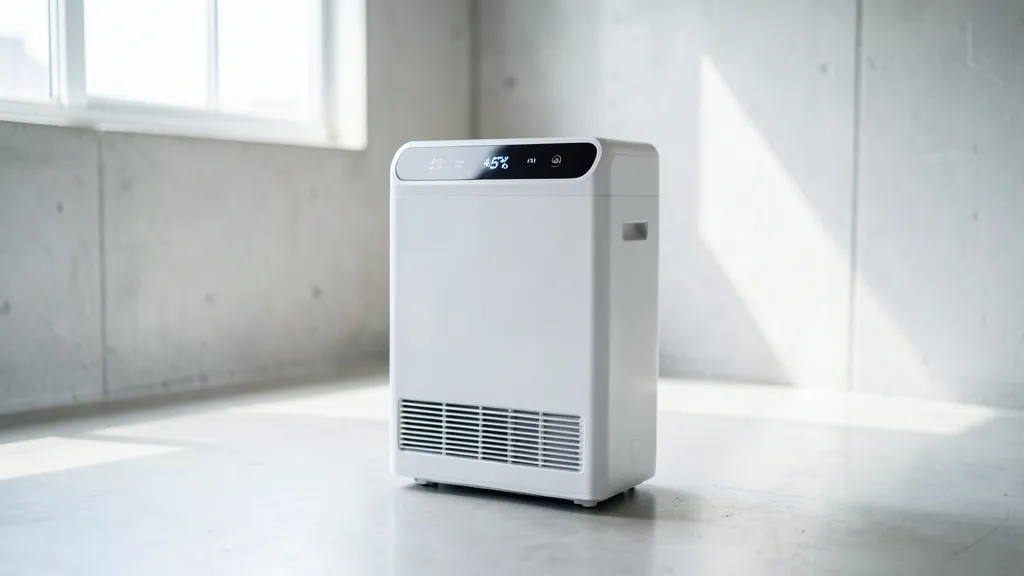
Mount Holly’s humid summers and damp winters create ideal conditions for mold to thrive. High moisture levels accelerate mold growth on drywall, insulation, and even HVAC systems, which can drive up remediation costs if left unchecked. We break down how humidity impacts mold and what you can do to protect your home.
Why Mount Holly’s Humidity Fuels Mold Growth
Our region’s climate—warm, humid summers and cold, wet winters—keeps indoor humidity elevated for much of the year. Mold spores, always present in the air, only need moisture and organic material to colonize.
Porous surfaces like drywall, carpet, and wood are prime targets. In basements and crawl spaces, poor ventilation traps humidity, creating a perfect storm for mold infestations.
The Most Common Mold-Prone Areas in Local Homes
Basements and crawl spaces top the list, especially in older Mount Holly homes with limited airflow. Standing water or condensation from pipes exacerbates the problem.
Attics are another hotspot. Insufficient insulation or roof leaks allow warm, moist air to condense on cold surfaces, feeding mold on sheathing and rafters.
Bathrooms and kitchens see surface mold from daily humidity, but hidden growth behind walls or under flooring often goes unnoticed until it spreads.
High-Risk Mold Zones in Your Home
- Basements with poor drainage or ventilation
- Crawl spaces with dirt floors or water intrusion
- Attics with inadequate insulation or roof leaks
- Bathrooms without exhaust fans
- Kitchens with plumbing leaks under sinks
- Laundry rooms with improperly vented dryers
How Humidity Directly Impacts Mold Remediation Costs
Higher humidity means faster mold spread, which increases the scope of remediation. A small patch in a bathroom may stay contained, but in a damp crawl space, it can overtake joists and subflooring in weeks.
Removing mold from porous materials like drywall or insulation often requires full replacement, not just cleaning. The more saturated the area, the more extensive—and costly—the work becomes.
| Humidity Level | Mold Growth Speed | Typical Remediation Scope |
|---|---|---|
| <50% | Slow to minimal | Surface cleaning, minor containment |
| 50-60% | Moderate | Localized removal, some material replacement |
| >60% | Rapid | Full containment, extensive material removal, structural drying |
Seasonal Humidity Patterns in South Jersey
Summer humidity in Mount Holly often exceeds 70%, especially during July and August. This is when we see the most calls for attic and crawl space mold, as heat and moisture create a breeding ground.
Winter brings its own challenges. Poorly insulated homes develop condensation on windows and walls, leading to hidden mold behind baseboards or in wall cavities. Ice dams can also cause roof leaks, feeding attic mold.
Use a hygrometer to track indoor levels. Aim for 30-50% humidity. In summer, dehumidifiers are critical; in winter, ensure proper insulation and ventilation.
Hidden Cost Drivers in Mold Remediation
The extent of water damage is a major factor. If mold stems from a leaky pipe or flood, water damage restoration may be needed before remediation can even begin.
Accessibility plays a role too. Mold in tight crawl spaces or behind finished walls requires more labor and specialized equipment, like negative air pressure systems, to contain spores during removal.
Mold Testing and Inspection: Why It’s Worth the Investment
Not all mold is visible. Air quality testing and surface sampling reveal hidden spores and identify species, which helps determine the right remediation approach.
In Mount Holly, we often find mold in homes after a water event in Lumberton or Westampton goes unaddressed. Early testing can prevent a small issue from becoming a full-scale remediation project.
Over-the-counter test kits can’t measure spore concentration or identify the source. Professional testing provides actionable data for safe, effective remediation.
Preventing Mold in Mount Holly’s Climate
Controlling moisture is the best defense. In basements and crawl spaces, install vapor barriers and sump pumps. Ensure downspouts direct water away from the foundation.
Improve airflow with exhaust fans in bathrooms and kitchens. For attics, proper ventilation and insulation prevent condensation. Regularly inspect for leaks in roofs, pipes, and HVAC systems.
When to Call a Professional for Mold Remediation
If mold covers more than 10 square feet, or if it’s in your HVAC system, professional remediation is a must. DIY efforts can disturb spores, spreading contamination further.
Homeowners in Eastampton or Hainesport often discover mold during renovations. If you see discoloration, smell musty odors, or experience unexplained allergies, it’s time for an inspection.
How to Reduce Humidity and Prevent Mold Growth
Taking proactive steps can save you from costly remediation down the line.
- 1Use Dehumidifiers Strategically
Place dehumidifiers in basements, crawl spaces, and other damp areas. Empty the reservoir regularly or use a model with a drain hose.
- 2Improve Ventilation
Install exhaust fans in bathrooms and kitchens. Ensure attics and crawl spaces have proper ventilation to expel moist air.
- 3Address Water Intrusion Immediately
Fix leaks in roofs, pipes, or windows as soon as they’re detected. Dry water-damaged areas within 24-48 hours to prevent mold growth.
- 4Insulate and Seal
Add insulation to attics and walls to prevent condensation. Seal gaps around windows, doors, and foundations to keep moisture out.
- 5Monitor and Maintain
Check humidity levels with a hygrometer and inspect high-risk areas regularly. Replace HVAC filters monthly to reduce spore circulation.
Frequently Asked Questions
Does homeowners insurance cover mold remediation in Mount Holly?
Coverage varies by policy. Most standard policies cover mold damage if it’s a result of a covered peril, like a burst pipe. However, they often exclude mold from long-term humidity or neglect. Always review your policy and request a quote for remediation if needed.
How can I tell if mold is toxic?
Not all mold is ‘toxic,’ but some species, like Stachybotrys (black mold), can produce harmful mycotoxins. Professional mold testing identifies the species and assesses risk. Never handle suspicious mold without proper protection.
Why is mold more common in older homes in Mount Holly?
Older homes often lack modern moisture barriers, insulation, and ventilation. Basements and crawl spaces in historic neighborhoods may have dirt floors or poor drainage, increasing humidity and mold risk.
Can I clean mold myself, or do I need a professional?
Small, surface-level mold (under 10 sq. ft.) on non-porous materials can often be cleaned with detergent and water. For porous materials or larger infestations, professional remediation ensures spores are fully contained and removed.
What’s the difference between mold removal and mold remediation?
Mold removal refers to eliminating visible mold, while remediation addresses the root cause—like moisture control—to prevent regrowth. True remediation includes containment, air filtration, and post-remediation testing.
How long does mold remediation take in a typical Mount Holly home?
Timelines vary based on the extent of the infestation and the size of the affected area. A small, contained project may take 1-3 days, while large or complex jobs (e.g., crawl space or attic remediation) can take a week or more.