Safeguarding Your Home: The Benefits of Professional Mold Remediation in Mount Holly
Mold isn’t just an eyesore—it’s a silent threat to your home’s structure and your family’s health. In our region’s humid climate, spores thrive in hidden spaces like basements, attics, and crawl spaces, often going unnoticed until the problem escalates. Professional remediation doesn’t just remove mold; it stops it from returning with targeted moisture control and expert techniques.
Why Mold Thrives in South Jersey Homes
Our area’s warm, humid summers and damp falls create the perfect breeding ground for mold. Poor ventilation in basements or attics traps moisture, while flooding or leaks in places like Lumberton or Westampton can accelerate growth within 24–48 hours.
Mold spores are microscopic and airborne, spreading easily through HVAC systems. Without proper containment, DIY efforts often scatter spores further, worsening contamination in living spaces.
Health Risks You Can’t Ignore
Exposure to mold—especially toxic black mold—can trigger allergies, respiratory issues, and even neurological symptoms from mycotoxins. Children, the elderly, and those with compromised immune systems are most vulnerable.
Chronic sinusitis, skin irritation, and persistent coughs often improve only after professional remediation removes the source. Air quality testing confirms whether spores are present at unsafe levels.
If you smell a musty odor or see discoloration, mold may already be active. Early intervention prevents structural damage and health complications.
DIY vs. Professional Remediation: What’s the Difference?
Household cleaners like bleach only kill surface mold, leaving roots embedded in porous materials like drywall or wood. Professionals use antimicrobial treatments to penetrate and neutralize colonies at the source.
We establish containment barriers and negative air pressure to prevent cross-contamination. HEPA filtration captures airborne spores, ensuring they don’t resettle during cleanup.
| Aspect | DIY Approach | Professional Remediation |
|---|---|---|
| Safety | Risk of exposure to spores and chemicals | Full PPE, containment, and HEPA filtration |
| Effectiveness | Surface-level; often misses hidden mold | Deep cleaning, root treatment, and prevention |
| Long-Term Results | High recurrence without moisture control | |
| Equipment | Basic cleaners, no containment | Industrial dehumidifiers, air scrubbers, moisture meters |
The Step-by-Step Remediation Process We Use
Every project begins with a thorough mold inspection and moisture mapping. We identify the species, extent, and moisture sources—whether from a leaky roof in Eastampton or a flooded crawl space in Hainesport.
Containment is critical. We seal off affected areas with plastic sheeting and use negative air machines to vent spores outside, protecting the rest of your home during removal.
Targeting High-Risk Areas in Your Home
Basements and crawl spaces are prime targets due to poor airflow and groundwater seepage. Without vapor barriers or encapsulation, these areas stay damp year-round, feeding mold growth.
Attics suffer from roof leaks or improper insulation, trapping humidity. Bathrooms and kitchens, with frequent moisture, also require vigilant ventilation and routine checks.
Common Mold Hotspots
- Basements with concrete floors or foundation cracks
- Crawl spaces lacking vapor barriers
- Attics with roof leaks or poor ventilation
- Bathrooms without exhaust fans
- Under sinks and around plumbing fixtures
- Behind drywall after water damage
Moisture Control: The Key to Lasting Results
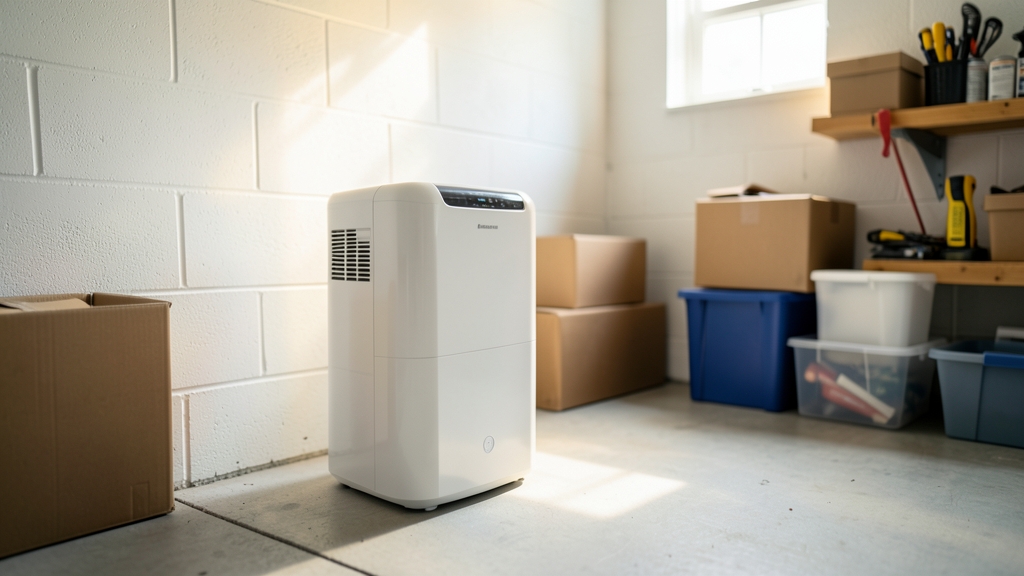
Removing mold without fixing the moisture source is like treating a symptom, not the disease. We install dehumidifiers, improve drainage, and repair leaks to starve mold of its food source.
In crawl spaces, encapsulation with a vapor barrier creates a dry, sealed environment. For attics, proper insulation and soffit vents prevent condensation buildup.
Monitor humidity levels with a hygrometer—keep indoor levels below 50%. Address water intrusions immediately, even minor ones.
Commercial Mold Remediation: Protecting Businesses Too
Schools, offices, and retail spaces face unique challenges. Large HVAC systems can spread spores rapidly, while high foot traffic increases exposure risks. We follow OSHA and EPA guidelines for commercial remediation.
Downtime is minimized with phased cleanup and off-hours work. Post-remediation air quality testing ensures a safe return for employees and customers.
What to Expect After Remediation
A final inspection and air quality test confirm the mold is gone. We provide a detailed report and recommendations for ongoing prevention, like regular HVAC maintenance or crawl space checks.
Most homes see improved air quality within days. For severe cases, we may recommend follow-up testing after a few weeks to ensure no new growth has started.
How to Prepare for Professional Mold Remediation
A little prep work ensures the process is smooth and effective.
- 1Clear the Area
Remove furniture, decorations, and personal items from the affected space. This allows full access and protects your belongings from contamination.
- 2Turn Off HVAC Systems
Prevent spores from spreading through ductwork by shutting down heating or cooling systems in the work zone.
- 3Seal Off Adjacent Rooms
Close doors and cover doorways with plastic sheeting if possible. This helps contain spores to the remediation area.
- 4Arrange for Pets and Plants
Relocate pets, fish tanks, and houseplants to a mold-free area. Some remediation chemicals can be harmful to animals and sensitive vegetation.
- 5Plan for Temporary Relocation
For extensive projects, especially in homes with vulnerable occupants, arrange to stay elsewhere during the most intensive cleanup phases.
Frequently Asked Questions
How do I know if I need professional mold remediation in Mount Holly?
Visible mold, musty odors, or water damage are clear signs. If you’ve experienced flooding, leaks, or persistent humidity, a professional mold inspection can reveal hidden growth. Don’t rely on DIY tests—lab analysis of air and surface samples provides accurate results.
Is mold remediation covered by homeowners insurance?
Coverage depends on your policy and the cause. Sudden water damage (e.g., a burst pipe) is often covered, but long-term neglect or flooding may not be. Request a quote and consult your insurer to understand your options.
Can mold come back after remediation?
Yes, if the moisture source isn’t addressed. Professional remediation includes fixing leaks, improving ventilation, and controlling humidity. Without these steps, mold can return. We provide a prevention plan tailored to your home’s specific risks.
How long does mold remediation take?
Most residential projects take 3–7 days, depending on the size of the affected area and the extent of the infestation. Commercial or large-scale jobs may require more time. Containment and drying periods are critical and can’t be rushed.
What’s the difference between mold removal and mold remediation?
Removal refers to eliminating visible mold, while remediation addresses the root cause and prevents recurrence. True remediation includes containment, air filtration, moisture control, and post-cleanup testing to ensure a mold-free environment.
Do you serve areas near Mount Holly, like Lumberton or Westampton?
Yes, our team handles mold inspection, testing, and remediation across Burlington County, including Lumberton, Westampton, Hainesport, and Eastampton. Local knowledge helps us address region-specific issues, like basement flooding or attic condensation common in our climate.